
NAD Injections
NAD+ (Nicotinamide Adenine Dinucleotide) is a powerful coenzyme found in every cell of your body. It plays a key role in energy production, cellular repair, metabolism, and healthy brain function. NAD+ therapy helps boost energy, support cognitive performance, enhance mood, and promote overall cellular health. Built with skin and cellular health in mind, it’s a popular option for people looking to further develop their anti-aging routines.
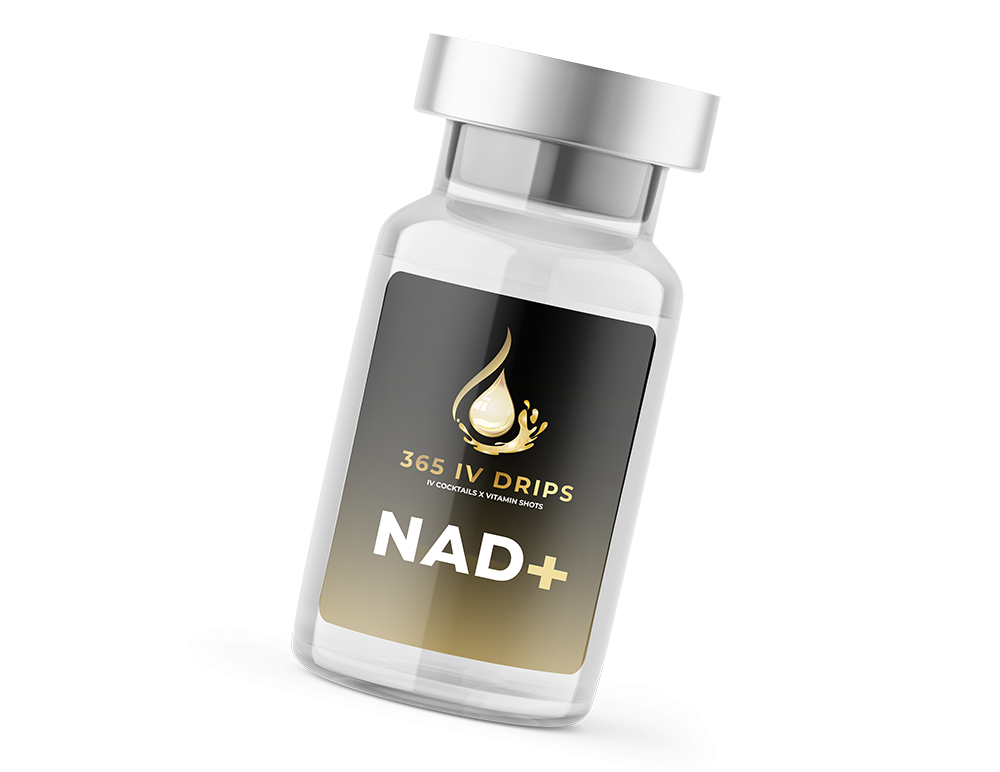
NAD+ IV Drip (With Hydration Bag)
Available Concentrations:
500 mg NAD+ in a 1-liter IV bag
1000 mg NAD+ in a 1-liter IV bag
Pricing
- 500 mg NAD+: $500
- 1000 mg NAD+: $1000
Hydration Bags (Add-On or Standalone)
Options:
500cc Hydration Bag: $149
1-Liter Hydration Bag: $199
Fluids available: Normal Saline (NS) or Lactated Ringer’s (LR)
What Is Injectable NAD+ Prescribed For?
- As we age, our body’s NAD levels gradually drop due to lower intrinsic production and inflammation/oxidative stress caused by environmental factors. This drop in NAD+ can cause fatigue, mental fog, dull and tired skin, and poor sleep quality.
NAD+ FAQs
A: NAD+, short for nicotinamide adenine dinucleotide, is a naturally occurring coenzyme found in every living cell. It’s a critical component for various functions within the body including DNA repair, cellular energy production, and the overall support of healthy aging.When individuals are found to be deficient in NAD+, they may be prescribed NAD supplements to increase their body’s levels.
A: Ultimately, NAD+ dosing does not have a one-size-fits-all schedule. This will vary on your body’s needs and should be evaluated with a qualified clinician.
A: Your overall health goals (energy, recovery, anti-aging, cognitive support), Age and baseline NAD+ levels, Existing medical conditions or medications, How your body responds to initial treatments.
A: Research on NAD+ and women’s fertility is emerging, but more must be conducted before any conclusive claims can be made. Some animal and laboratory studies suggest that it may support egg quality and mitochondrial health, which in turn could help with fertility, but we do not have enough clinical evidence to recommend it specifically for this purpose.
A: Typically, we refer to the coenzyme as NAD+ (the active oxidized form), as it is a simpler term that more people are familiar with.
A: Despite popular belief, NAD+ is not a peptide; it’s a coenzyme derived from niacin, also known as vitamin B3. Peptides are short chains of amino acids, while NAD+ is a nucleotide-based molecule that’s involved in cellular metabolism.
A: Research suggests that NAD+ is a key factor in healthy aging. Higher NAD+ levels in the body play a role in supporting DNA repair, mitochondrial health, and sirtuin activation – all of which are associated with improved cellular resilience. Human studies are ongoing for further findings with NAD+, but the early research is promising.